 N環球
N環球 
Canada, Saab Sign Term Sheet Advancing GlobalEye Early-Warning Aircraft Talks
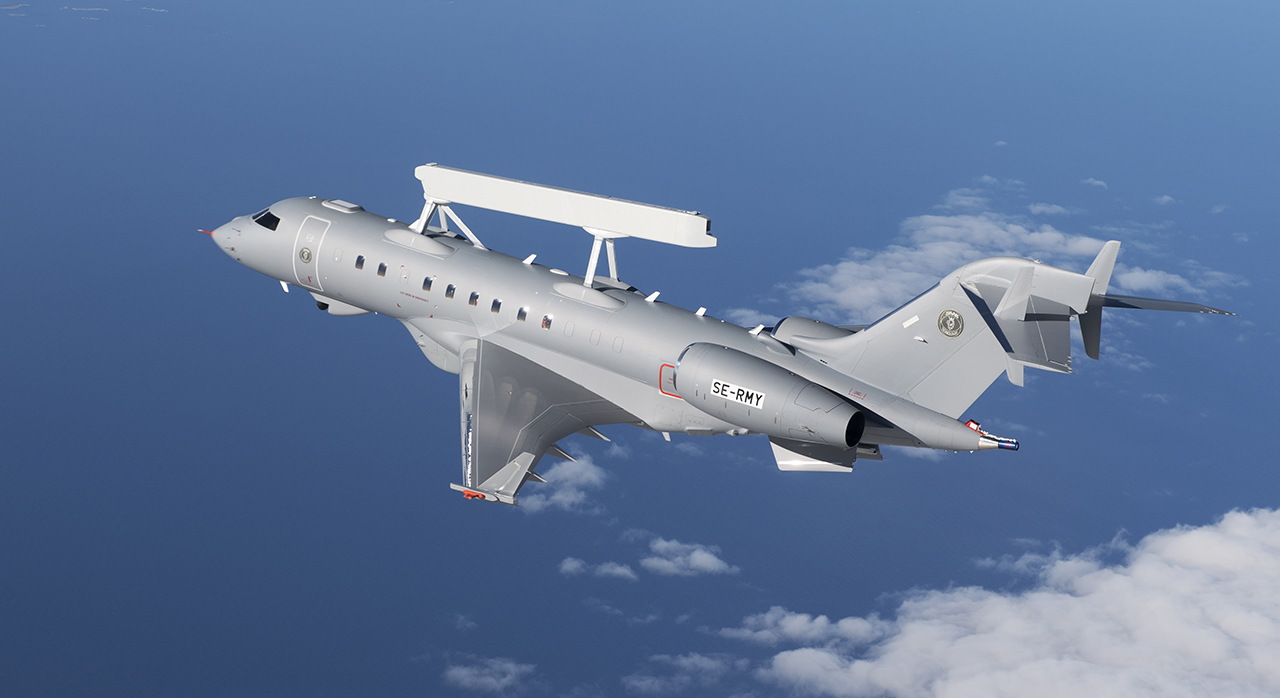
Canada and Saab signed a non-binding term sheet setting the framework for talks toward acquiring six GlobalEye airborne early warning aircraft for the RCAF.
Why it matters
Canada has never owned an airborne early warning aircraft, relying instead on NATO's shared fleet. A six-plane GlobalEye fleet would give the Royal Canadian Air Force its own long-range "eyes in the sky" — detecting aircraft, missiles and drones over the Arctic and remote approaches, and strengthening Canada's NORAD modernization contribution.
Full report
The Government of Canada announced September 25 in Ottawa that it has entered into a non-binding term sheet agreement with Swedish defence firm Saab. The agreement sets the scope and foundation for detailed negotiations toward the potential acquisition of Saab's GlobalEye Airborne Early Warning and Control (AEWC) platform.
Canada intends to acquire six GlobalEye aircraft with associated systems and training. Built on the Canadian-manufactured Bombardier Global 6500 platform, GlobalEye would operate as an airborne command and control centre, significantly enhancing situational awareness, operational reach in the Arctic and other remote regions, and interoperability with NATO allies.
The government stresses the agreement does not constitute a contract or commitment to buy the aircraft. It follows Prime Minister Mark Carney's May 27, 2026 announcement naming Saab as the preferred supplier for Canada's future AEWC capability.
Secretary of State (Defence Procurement) Stephen Fuhr said the deal reflects Canada's Defence Industrial Strategy by pursuing partnerships that support Canadian jobs and innovation. Defence Minister David J. McGuinty said the capability would strengthen Canada's ability to detect, track and respond to threats. RCAF Commander Lt.-Gen. Jamie Speiser-Blanchet called AEWC a key enabler of a modernized, integrated force.
Ottawa says it aims to establish Canada as a centre for future missionization and support of the aircraft, with economic benefits pursued through the Industrial and Technological Benefits Policy — including training, R&D investment, Canadian supplier participation and potential exports of Canadian-built GlobalEye aircraft to customers such as NATO, Sweden, France, the Netherlands and the United Arab Emirates.
💬 Comments
No comments yet. Be the first!