 N環球
N環球 
Iran offers to reopen Strait of Hormuz in seven days if US lifts blockade and oil sanctions
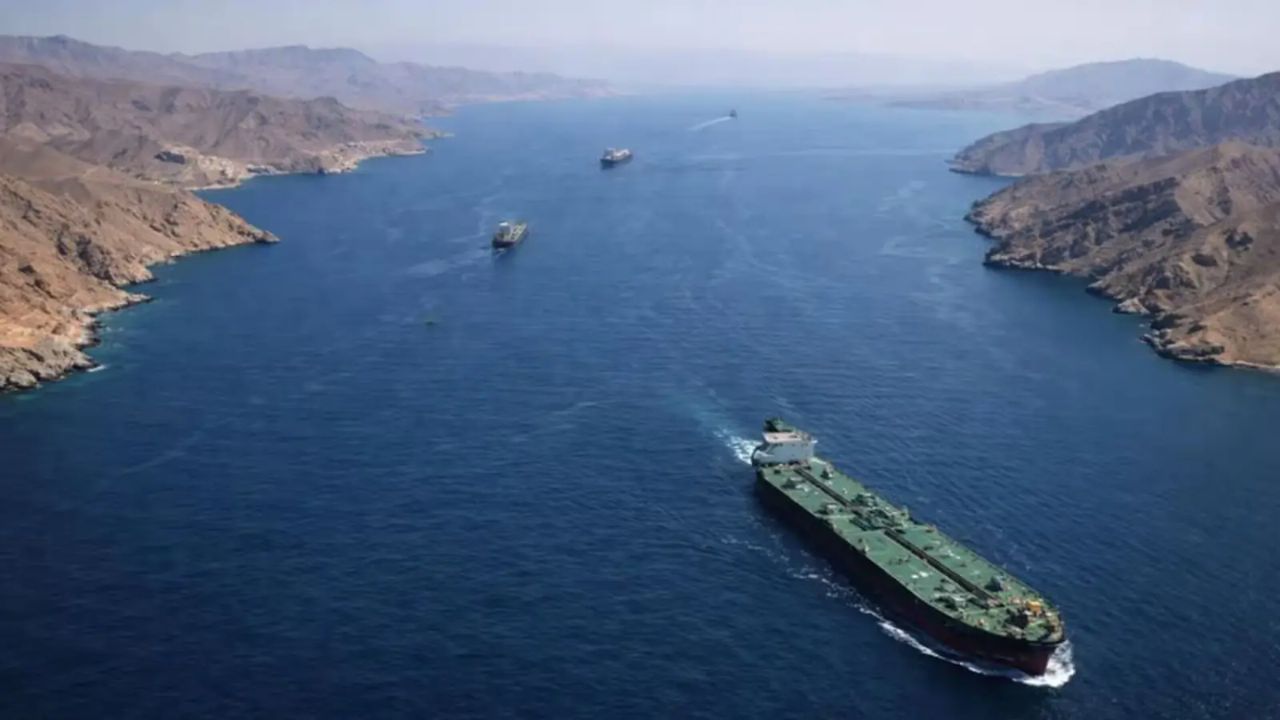
Iranian Foreign Minister Abbas Araghchi said on Sept. 25 at the UN that Tehran would reopen the Strait of Hormuz and resume nuclear talks within seven days if the US lifts its naval blockade of Iranian ports, waives oil sanctions and observes a ceasefire including Lebanon.
Why it matters
About a fifth of the world's traded oil and gas passed through the strait before the war; its closure has triggered wild price swings and higher inflation — a major political headache for Trump ahead of November's midterms. This is the most concrete diplomatic opening in seven months of war.
Full report
Iranian Foreign Minister Abbas Araghchi told reporters at UN headquarters in New York on Friday, Sept. 25, that Iran had conveyed a proposal to the US through mediators: if Washington lifts its naval blockade of Iranian ports, waives sanctions on Iranian oil sales and observes a ceasefire that would include Lebanon, "the strait can be reopened, a normal maritime passage restored within seven days," with nuclear talks to resume. "The choice now rests with the United States," he said.
According to the Associated Press, Araghchi had detailed the plan on Thursday at a private gathering on the sidelines of the UN General Assembly. It strongly resembles the Memorandum of Understanding signed in June, but with an accelerated timetable — the June version envisioned a 60-day interim period before collapsing as Iran resumed attacks on shipping.
A US official said "positive discussions" were under way through mediators, including on nuclear issues, and Secretary of State Marco Rubio said "if there's an opportunity to exchange ideas and messages, we will." Trump, however, threatened earlier this week to "annihilate" Iran and says he is in no rush for a deal.
Saudi Arabia is skeptical of the latest push, the AP reported, citing a person familiar with the matter. Qatar is the key mediator; President Masoud Pezeshkian hosted Qatar's prime minister early Friday. Tehran is also divided: the Revolutionary Guard chief and the Assembly of Experts insist there is "no path other than resistance," while parliament speaker Mohammad Bagher Qalibaf publicly acknowledged the split between hard-liners and moderates.
Background: the US and Israel launched a surprise attack on Feb. 28 while Iran was engaged in nuclear talks, killing Iran's supreme leader. Iran retaliated against Israel and US bases in the Gulf and blocked the strait. US congressional elections are set for November.
💬 Comments
No comments yet. Be the first!