 N環球

Paris faces another strike on November 17 as unions reject minimum-wage rise of €24
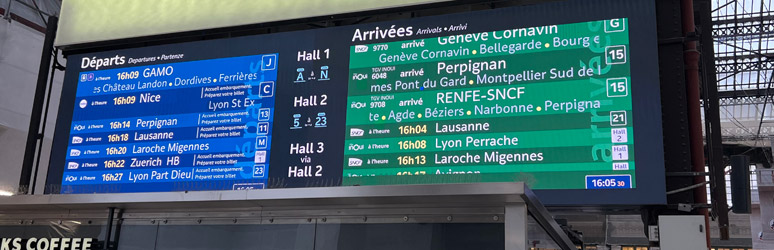
France’s CGT, UNSA and a public-sector inter-union alliance on Monday called a nationwide day of strikes and demonstrations for Tuesday, November 17, in the public and private sectors, protesting the minimum-wage rise announced after Prime Minister Sébastien Lecornu’s social conference. The government will raise the minimum wage to €1,502 net from December 1; unions say the real increase is only a few euros and call it “crumbs”, demanding about €150 more a month and indexation to inflation.
France’s General Confederation of Labour (CGT), UNSA and a public-sector inter-union alliance on Monday (November 9) called a nationwide day of strikes and demonstrations for Tuesday, November 17, in the public and private sectors, protesting the minimum-wage rise announced after Prime Minister Sébastien Lecornu’s social conference. Paris and Île-de-France are expected to see another large march, twelve days after the nationwide demonstrations of November 5. (Image: file photo of a Paris demonstration.)
Minimum-wage rise dismissed as “crumbs”
The government will raise the minimum wage to €1,502 net from December 1, an increase of €24 that Lecornu described as one of the biggest in 20 years and said would not threaten jobs. But the automatic adjustment due on January 1 would already have added about €18, so the real increase amounts to only a few euros; CGT general secretary Sophie Binet called it “crumbs” and demanded about €150 net more a month, with wages indexed to inflation, warning that mobilization would continue until pay rises and calling for negotiations to open in every company.
Who is calling the strike, and what they want
Six public-sector unions — the CGT, UNSA, FSU, Solidaires, CFE-CGC and FAFP — jointly demand immediate pay rises, an increase in the civil service index point, frozen for a fourth year running, with indexation to inflation (3.4 percent in October), and the abolition of the waiting day before sick-leave benefits begin. UNSA has broadened its call to cross-industry action. The CFDT, France’s largest union, initially considered the rise insufficient and stayed out, but joined the strike call on November 13, and Force Ouvrière has not joined either.
Government package and transport impact
The social conference also produced a package of purchasing-power measures: the tax-exemption cap on overtime rises from €7,500 to €10,000; in the 2027 finance bill, employers covering up to 75 percent of public transport passes will be exempt; the CSG exemption on value-sharing bonuses is extended to companies with more than 50 employees; and the fuel bonus is extended into 2027, worth up to €1,000. The RATP and SNCF are expected to publish their transport forecasts for November 17 on Monday, November 16, and the Paris march route has been filed and awaits police approval; schools, nurseries, town halls and hospitals are likely to be affected, and teachers must declare their intention to strike 48 hours in advance. Education workers are also striking on November 10, and retirees plan to march on November 19.
Updated November 13: largest union CFDT joins the strike; Paris march route filed
The CFDT, France's largest union, announced on November 13 that it would join the November 17 strike, after a morning meeting with Prime Minister Sébastien Lecornu. The CFDT said the prime minister's proposals, including a month of talks, “do not represent any real progress”, as hundreds of thousands of civil servants still earn a base salary below the minimum wage. The Île-de-France inter-union alliance has filed a march route with the Paris police prefecture, from Place des Invalides to Place d'Italie, which still needs police approval; the SNCF and RATP are expected to publish their transport forecasts for the day on Monday, November 16.
💬 Comments
No comments yet. Be the first!