 N環球
N環球 
U.S. Supreme Court restores SAVE mass voter-verification system
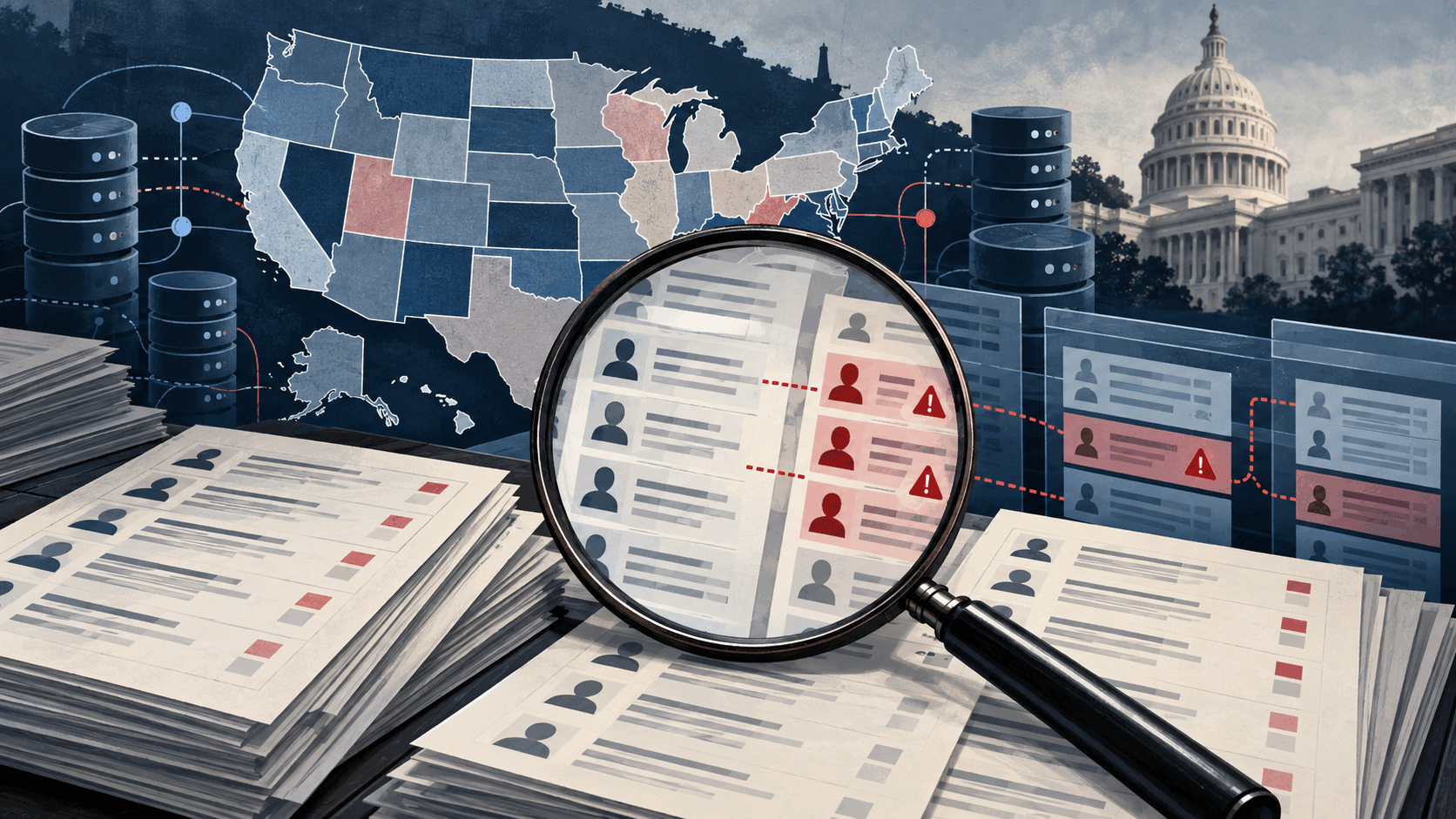
The U.S. Supreme Court on September 25 allowed the Trump administration to resume using the expanded SAVE immigration database to run bulk checks of state voter rolls with Social Security numbers and other federal data. The three liberal justices dissented, and the order pauses a lower-court injunction while litigation continues.
The U.S. Supreme Court on September 25 allowed the Trump administration to resume using the expanded SAVE immigration database to run bulk checks of state voter rolls with Social Security numbers and other federal data. The three liberal justices dissented, and the order pauses a lower-court injunction while litigation continues.
Why it matters
The order lets states resume large-scale citizenship matching before the November midterms. The government says the system helps combat noncitizen voting; the plaintiffs and dissenting justices warn that stale or mismatched records could cause lawful voters to lose registration. This is not a final judgment on the merits.
Full report
The Supreme Court granted the Justice Department's emergency request on September 25, putting on hold a Washington federal judge's injunction against the expanded SAVE system. The order allows state officials to use Social Security numbers and other federal data to run bulk citizenship checks on registered voters while the underlying case continues in lower courts.
The majority said the plaintiffs' arguments were unlikely to succeed because federal law expressly authorizes DHS to seek citizenship and immigration-status information from other agencies, including the Social Security Administration. All three liberal justices dissented. Justice Ketanji Brown Jackson wrote that burdening or disenfranchising even a few lawful voters would cause more harm than temporarily preventing an action the government may lack authority to take.
DHS redesigned SAVE in 2025 to permit bulk searches and queries by Social Security number. Several Republican-led states have used it to compare voter rolls, and some people flagged as potential noncitizens have had registrations canceled. The government says the system protects election integrity; its overall error rate is not public.
The plaintiffs say SAVE can retain stale data and label naturalized U.S. citizens as noncitizens. Their Supreme Court filing cited a Travis County, Texas, official who said about 25% of noncitizen matches there involved people who had already proven U.S. citizenship; news reports found at least 81% of responses in St. Louis County, Missouri, were erroneous. Texas disputes claims that the system is unreliable.
N Globe reported on September 24 that an internal email reviewed by Reuters showed the White House pressing DHS to accelerate checks of voter rolls from at least 47 states, using commercial services such as Accurint to augment records before matching them against multiple federal databases. The Supreme Court order materially changes the legal status of that effort.
Verification status: corrected/updated, confirmed by the Supreme Court order and dissent, Reuters reporting, and responses from the White House and DHS; the case remains in litigation. News value: A. Origin: United States. Primary section: Politics. Related region: World. Latest source time: September 25, 2026, 15:34 UTC. N Globe update time: September 25, 2026, 16:50 UTC.
This report is an original summary based on verified sources, not a verbatim reproduction.
💬 Comments
No comments yet. Be the first!